Can a Foreigner Obtain Citizenship in São Tomé and Príncipe?

Obtaining citizenship in a foreign country is a dream for many individuals. One such opportunity lies in the beautiful island nation of São Tomé and Príncipe, located in the Gulf of Guinea. This tropical paradise is not only known for its stunning landscapes and rich biodiversity but also offers various pathways for foreigners to acquire citizenship. For a comprehensive overview of the requirements and processes involved, you can check out this article: Can a Foreigner Get Sao Tome Citizenship?. In this article, we explore the different avenues through which foreigners can potentially obtain citizenship, including naturalization, investment options, and the implications of dual nationality.

Understanding São Tomé and Príncipe

São Tomé and Príncipe is a small archipelagic nation, blessed with natural beauty and cultural richness. Gaining its independence from Portugal in 1975, it has since developed a unique identity. The country offers a peaceful environment and a welcoming spirit, making it an attractive destination for foreigners. Understanding the local culture, language, and legal framework is essential for those considering a move to this nation.

Pathways to Citizenship

Foreigners can obtain citizenship in São Tomé and Príncipe through several methods. Below are the most common pathways:

1. Naturalization

Naturalization is one of the most traditional routes for foreigners looking to become citizens. Generally, it requires the individual to have lived in São Tomé and Príncipe for a specified period (usually 5 years). During this time, the applicant must have a clean criminal record and demonstrate proficiency in Portuguese, the official language. Additionally, integration into the local community and an understanding of the country’s culture and laws are essential factors that will be evaluated during the naturalization process.

2. Citizenship by Investment

In recent years, São Tomé and Príncipe has introduced citizenship by investment programs to attract foreign capital and promote economic development. Investors can obtain citizenship by contributing to specific sectors, such as real estate or tourism. The minimum investment amount and specific conditions can vary, so it’s advisable for potential investors to consult with legal experts to ensure compliance with the current regulations.

3. Marriage to a Citizen

Foreigners who marry citizens of São Tomé and Príncipe may be eligible for citizenship. Typically, the foreign spouse must reside in the country for a specific period, often between 2 to 3 years, before applying for citizenship. This pathway recognizes the bond between the married couple and encourages family unity.

Dual Nationality Considerations

One of the common concerns for foreigners contemplating citizenship in a new country is the issue of dual nationality. In São Tomé and Príncipe, dual nationality is generally permitted, allowing individuals to maintain their original citizenship while enjoying the benefits of being a citizen of São Tomé and Príncipe. However, it is crucial to check the laws of the foreigner’s home country, as some countr

ies do not allow dual citizenship.

Required Documentation

Acquiring citizenship will typically involve submitting a range of documents, which may include:

  • A valid passport and identification
  • A birth certificate
  • Proof of residence in São Tomé and Príncipe
  • Proof of financial stability or investment (if applicable)
  • Criminal background checks
  • Marriage certificate (in case of application through marriage)

Each application will be reviewed on a case-by-case basis, and additional documentation may be required depending on individual circumstances.

The Application Process

Once you have gathered the necessary documents, you will need to submit your application to the relevant government authorities. The processing time can vary and may take several months. It is important to be patient and maintain regular communication with the relevant agencies to ensure that your application is on track.

Final Thoughts

Becoming a citizen of São Tomé and Príncipe presents exciting opportunities for foreigners seeking a new life in this picturesque nation. Whether through naturalization, investment, or marriage, understanding the requirements and processes involved is crucial for a successful application. With its welcoming culture and stunning landscapes, São Tomé and Príncipe is not just a place to visit but a potential new home for many. As global mobility increases, more individuals are exploring the possibility of establishing roots in foreign lands, and São Tomé and Príncipe stands out as a remarkable choice.

For those interested in this journey, researching thoroughly, ensuring compliance with local laws, and possibly consulting with legal experts in migration will provide the best chances of success in gaining citizenship.


Can a Foreigner Obtain Citizenship in Nauru?

The question of whether a foreigner can obtain citizenship in Nauru is one that raises curiosity among many individuals looking to move to this small but unique island nation. Located in the Pacific Ocean, Nauru is the third smallest country in the world, both in terms of area and population. Despite its size, it offers a blend of culture and opportunity that many find appealing. For detailed insights, you might find this article useful: Can a Foreigner Get Nauru Citizenship? In this article, we will explore how a foreigner can achieve citizenship in Nauru, the required processes, and any necessary legal prerequisites.

Understanding Citizenship in Nauru

Before diving into the specifics of obtaining citizenship, it’s crucial to understand the concept of Nauruan citizenship itself. The Nauruan government recognizes only a select few pathways to citizenship, primarily focusing on bloodline and residency.

Pathways to Citizenship

  1. Descent: Nauruan citizenship is predominantly based on descent. Anyone who can demonstrate that their parents or grandparents were citizens of Nauru is eligible to apply for citizenship, regardless of where they live currently.
  2. Naturalization: This is a more complex route for foreigners. To become a naturalized citizen of Nauru, a foreigner must meet specific residency requirements, including living in the country for a significant period, demonstrating proficiency in Nauruan language, and showing a commitment to Nauruan culture and society.

Application Process for Naturalization

The naturalization process is not instantaneous and involves several steps as mandated by Nauruan law:

1. Residency Requirements

A foreigner must reside in Nauru for at least 5 years before they can apply for citizenship through naturalization. During this time, they are expected to embed themselves within the community and comply with local laws.

2. Language Proficiency

Demonstrating proficiency in the official language of Nauru is a key step. Applicants may be required to attend language classes and pass a test before proceeding with their application.

3. Cultural Assimilation

Understanding and participating in Nauruan culture is essential. Applicants are encouraged to engage in community events, learn about Nauru’s history, and respect local customs and traditions.

4. Conduct and Background Check

All applicants will undergo a thorough background check. A clean legal record and evidence of good character are imperative before one can be considered for citizenship.

5. Submission of Application

After fulfilling the above requirements, applicants must submit their naturalization application to the Nauruan Immigration Office. This application should include relevant documentation, proof of residence, and any other materials that support their claim for citizenship.

Legal Framework

Nauru’s citizenship laws are governed by the Citizenship Act. This legislation stipulates all the requirements and provisions related to citizenship. It is important for prospective applicants to familiarize themselves with this law as it outlines the rights and responsibilities that come with Nauruan citizenship.

The Role of Investment Citizenship

In some countries, citizenship by investment has become a popular route for foreigners, but in Nauru, this is not a common practice. The government has focused on ensuring that citizens are genuinely integrated into the community rather than simply granted nationality in exchange for financial contributions.

Challenges and Considerations

Obtaining citizenship in Nauru can present several challenges:

  • Lengthy Process: The wait time for naturalization can often extend well beyond five years due to various bureaucratic factors.
  • Sparse Information: There may be a lack of readily available information regarding the citizenship process, making it difficult for potential applicants to navigate the requirements effectively.
  • Community Integration: Newcomers may find it challenging to integrate into a close-knit community where everyone may know each other.

Final Thoughts

In conclusion, while a foreigner can obtain citizenship in Nauru through the naturalization process, it requires dedication, patience, and a genuine commitment to the culture and community of Nauru. For those interested in pursuing this pathway, careful preparation and an understanding of the local environment will be vital to successfully navigate the citizenship application process. As the world becomes increasingly interconnected, opportunities such as these can pave the way for new beginnings in a unique and vibrant country like Nauru.

A Comprehensive Guide to the CCF Application Process

If you’re looking to understand the intricacies of the CCF Application, you’ve come to the right place. The CCF Application is a crucial step for many individuals seeking to address legal matters effectively. This article will guide you through the process and provide insights to help make your application as smooth as possible.

What is the CCF Application?

The CCF (Commission for the Control of Interpol’s Files) Application is a formal request made by individuals who believe their data is incorrectly stored in Interpol’s databases, specifically the information that leads to their listing in a Red Notice. This application aims to seek correction or deletion of personal data that may be detrimental to their rights.

Eligibility for CCF Application

Before proceeding with your CCF Application, it’s essential to determine your eligibility. Generally, individuals can apply if:

  • You are the subject of a Red Notice.
  • Your personal information is inaccurate or outdated.
  • You have not been convicted or found guilty of a crime in your jurisdiction.

It’s crucial to gather all relevant documents to support your claim. Documentation might include court rulings, identification documents, or any proof that can substantiate your case.

Steps to Submit a CCF Application

The process of submitting a CCF Application consists of several steps:

  1. Gather Documentation: Collect all necessary documents that support your application. Ensure that they are in an acceptable format, translated if needed.
  2. Fill Out the Application Form: Download the official CCF Application form from Interpol’s website and complete it thoroughly.
  3. Submit Your Application: Send your completed application along with all supporting documents to the CCF, making sure to keep copies for your records.
  4. Await Response: After submission, it can take some time to receive a response. The CCF reviews applications carefully, and you will be informed of their decision.

Tips for a Successful CCF Application

To enhance your chances of a successful application, consider the following tips:

  • Be Clear and Concise: Ensure that your application clearly states the reasons for your request and the incorrect information you are challenging.
  • Provide Evidence: Your case will be stronger if you can support your claims with evidence. Documentation is key in demonstrating the inaccuracies.
  • Seek Legal Assistance: If you are unsure about the process or need guidance, consider consulting with a legal professional who is experienced in international law or data protection.
  • Follow Up: If you’re not receiving timely updates, it is perfectly acceptable to follow up on your application status.

Understanding the Outcome

Once your application has been reviewed, the CCF will issue a decision, which can result in one of the following outcomes:

  • Your Request is Granted: If the CCF finds merit in your application, they will issue a directive to delete or amend your information in their databases.
  • Your Request is Denied: If your application is denied, you will receive an explanation for the decision. In some cases, further legal actions may be available.

It’s essential to understand the implications of the decision and the avenues available for appeal if necessary.

Conclusion

The CCF Application process can seem daunting, but knowing the steps involved and preparing adequately can greatly enhance your chances of success. Whether you are seeking removal of information or correction of inaccuracies, being meticulous and detailed in your approach will go a long way. For more specific guidance or assistance, consider reaching out to professionals who specialize in these matters. Your data rights are important, and taking action through the CCF is a significant step toward addressing any injustices.

Frequently Asked Questions (FAQs)

1. How long does the CCF application process take?

The duration can vary, but typically you can expect a response within a few months. Factors include the complexity of your case and the volume of applications being processed.

2. Can I apply if I am currently facing legal charges?

It’s advisable to consult a legal professional. If there are pending charges, your application may be affected by the ongoing legal situation.

3. Is there an appeal process if my CCF application is denied?

Yes, if your application is denied, you can seek further legal counsel to understand the appeal options available to you.

4. What if I do not have all the supporting documents?

While it is essential to provide as much evidence as possible, it may still be possible to proceed with your application. However, incomplete documentation may weaken your case.

5. Are there fees associated with submitting a CCF application?

No, there are no fees required for submitting a CCF Application. It is a free process to protect your rights.

Comprehensive Guide to Sanctions Investigations & Enforcement Defense

Sanctions investigations and enforcement defense represent critical fields within legal practice, especially as international relations continue to evolve and economic sanctions become increasingly prevalent. Organizations and individuals can find themselves under scrutiny for various reasons, from alleged violations of sanctions to failing to comply with regulatory requirements. Understanding the nuances of these investigations is essential for effective legal defense. In this guide, we will explore key concepts, frameworks, and strategies essential for navigating the complex landscape of Sanctions Investigations & Enforcement Defense.

Understanding Sanctions

Sanctions are economic or political tools employed by governments or international bodies to influence the behavior of states or entities, often in response to violations of international law or human rights abuses. They can take various forms, including:

  • Economic Sanctions: Restrictions on trade and financial transactions.
  • Diplomatic Sanctions: Reductions or severing of diplomatic relations.
  • Military Sanctions: Arms embargoes or restrictions on military cooperation.
  • Travel Bans: Prohibitive measures preventing individuals from entering a country.

The Regulatory Landscape

Sanctions are often implemented and enforced through complex regulatory frameworks established by various national and international bodies, such as the United Nations and the Office of Foreign Assets Control (OFAC) in the United States. Understanding these regulations is crucial for compliance, as they dictate whom and what is affected by sanctions.

Sanctions Investigations

Sanctions investigations typically arise when allegations of non-compliance are made. This could be in the form of transactions involving sanctioned entities or individuals or failure to report necessary information to authorities. Investigations can be initiated by government bodies or through whistleblower reports. The investigative process often includes:

  1. Data Collection: Gathering information on financial transactions, communications, and business dealings.
  2. Interviews: Engaging with employees, business associates, or external experts for insights.
  3. Document Review: Analyzing contracts, financial records, and compliance programs.

Legal Protections and Rights

During sanctions investigations, individuals and companies have specific rights and protections. It’s crucial to be aware of these rights to mount an effective defense:

  • Due Process: The right to fair procedures and a chance to present one’s case.
  • Legal Representation: The right to consult with legal counsel throughout the investigation process.
  • Presumption of Innocence: The principle that one is considered innocent until proven guilty.

Defending Against Sanctions Enforcement Actions

When facing enforcement actions stemming from sanctions violations, an effective defense strategy is paramount. Here are key strategies to consider:

  • Conducting Internal Audits: Regularly reviewing transactions and operations to identify potential compliance issues before they escalate.
  • Implementing Compliance Programs: Establishing robust compliance frameworks including staff training and due diligence processes.
  • Collaboration with Authorities: Being proactive in communication with regulatory bodies during investigations or compliance audits.
  • Challenging Allegations: Preparing to contest any baseless allegations with documented evidence supporting compliance efforts.

The Role of Experienced Counsel

Engaging a legal expert with experience in sanctions investigations can have a significant impact on the outcome of a case. Legal counsel can provide crucial guidance, helping businesses shape their compliance strategies and represent their interests during investigations. Experienced attorneys not only understand the laws governing sanctions but can also navigate the relationship dynamics with regulatory authorities.

Conclusion

Sanctions investigations and enforcement actions can have severe implications for individuals and businesses alike. The complexities of the legal landscape necessitate a comprehensive understanding of applicable laws, rights, and defense mechanisms. By staying informed and prepared, affected parties can better navigate these investigations, ensuring that their legal rights and interests are fully protected.

Further Resources

For those seeking more information on sanctions compliance, investigations, and enforcement defense, various resources are available, including government publications, legal databases, and professional advisory services. Staying current with regulatory changes and best practices is key to managing sanctions risks effectively.

Le prix du passeport du Vanuatu : Guide complet

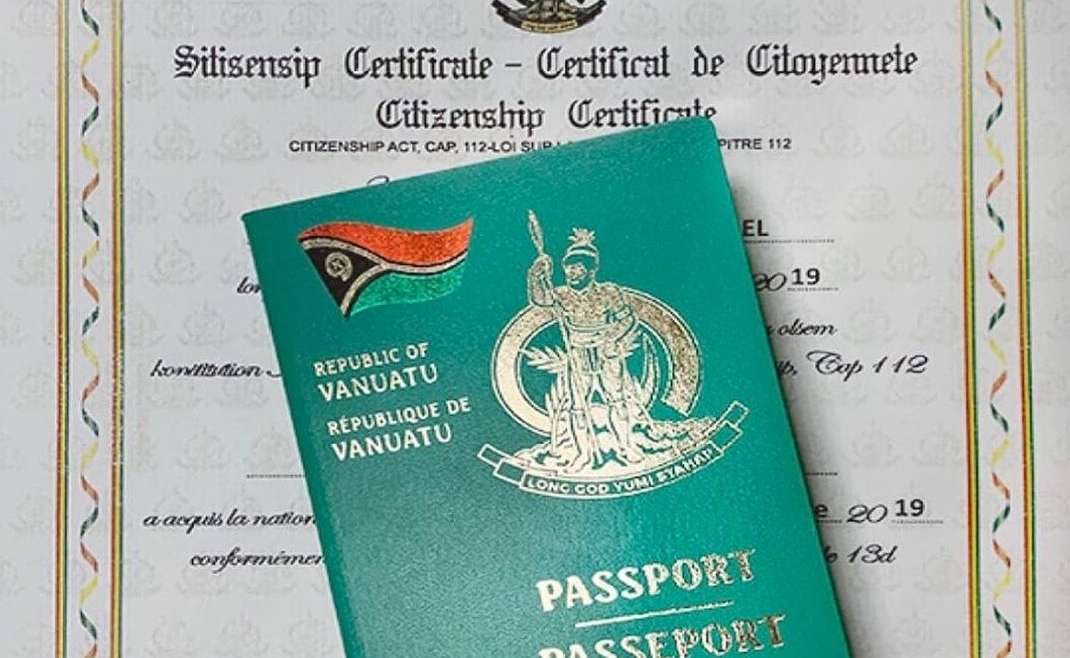
Le prix du passeport du Vanuatu est un sujet d’intérêt pour de nombreuses personnes cherchant à acquérir une nationalité par investissement. Ce passeport est largement reconnu pour ses avantages, tels que la liberté de voyager sans visa dans de nombreux pays, l’absence d’impôt sur le revenu mondial, et bien d’autres privilèges. Cet article explorera en profondeur le coût, le processus d’obtention et les bénéfices associés au passeport du Vanuatu.

Qu’est-ce que le passeport du Vanuatu ?

Le passeport du Vanuatu est un document de voyage délivré par le gouvernement de Vanuatu. Il permet à son titulaire de voyager dans plus de 130 pays sans visa, y compris des destinations populaires en Europe, en Asie et en Amérique du Sud. Ce passeport est particulièrement prisé par les personnes cherchant une résidence secondaire ou désirant optimiser leur situation fiscale.

Le coût du passeport du Vanuatu

Le prix du passeport du Vanuatu varie en fonction de la méthode d’acquisition. En général, il existe deux principales voies pour obtenir ce document : par investissement direct dans le pays ou par donation à un des fonds gouvernementaux.

Options d’investissement

Pour obtenir un passeport du Vanuatu, les candidats doivent investir un montant minimum dans un projet immobilier approuvé ou faire un don à la Commission des investissements de Vanuatu. Les options d’investissement peuvent inclure :

  • Un don non remboursable de 130 000 USD à un fonds gouvernemental pour un demandeur individuel.
  • Un investissement immobilier avec un montant minimum d’environ 200 000 USD dans des projets approuvés.
  • Des frais de traitement, qui peuvent varier mais se chiffrent souvent autour de 20 000 USD ou plus, selon le nombre de membres de la famille inclus dans la demande.

Le processus d’obtention

Pour obtenir un passeport du Vanuatu, le candidat doit suivre un processus précis qui comprend les étapes suivantes :

  1. Choix de la méthode d’investissement.
  2. Réunir les documents nécessaires, y compris des preuves de fonds, des certificats de police, et des documents d’identité.
  3. Soumettre la demande accompagnée des frais requis.
  4. Attendre l’examen de la demande par le gouvernement.
  5. Recevoir notification et, si approuvé, obtenir le passeport.

Avantages du passeport du Vanuatu

Le passeport du Vanuatu offre plusieurs avantages notables qui peuvent justifier son prix. En voici quelques-uns :

  • Voyages sans visa : Les détenteurs peuvent voyager dans plus de 130 pays, facilitant ainsi les déplacements professionnels et personnels.
  • Pas de double imposition : Vanuatu n’impose pas d’impôt sur le revenu mondial, ce qui peut être un avantage significatif pour les entrepreneurs et les investisseurs.
  • Accès à un style de vie tropical : Vanuatu est une destination de choix pour ceux qui cherchent à investir dans un deuxième domicile dans un environnement paradisiaque.

Considérations à prendre en compte

Avant de décider d’investir dans un passeport du Vanuatu, il est crucial de prendre en compte certains éléments :

  • Le succès de la demande d’obtention de passeport n’est pas garanti. Vérifiez si votre dossier est complet et si vous répondez aux critères exigés.
  • Les coûts peuvent varier selon les fluctuations économiques et les frais de services liés aux procédures administratives.
  • Le processus peut prendre plusieurs mois, donc prévoir suffisamment de temps pour la planification et l’exécution de la demande.

Conclusion

Le passeport du Vanuatu représente une opportunité unique pour ceux qui cherchent à améliorer leur mobilité internationale, à bénéficier d’un régime fiscal avantageux, et à profiter d’un cadre de vie agréable. Bien que le prix du passeport du Vanuatu puisse sembler élevé, les avantages et la flexibilité qu’il procure en font une option attrayante pour de nombreux investisseurs. Il est conseillé de consulter des experts en immigration et en fiscalité pour évaluer les implications de cette décision avant de s’engager dans le processus d’obtention.

Access to the UK with a Vanuatu Passport: What You Need to Know

If you are considering obtaining a Vanuatu passport to enhance your travel flexibility, especially regarding Vanuatu Passport UK Access, there are several points worthy of exploration. Vanuatu, a beautiful archipelago in the South Pacific, offers a citizenship by investment program that grants individuals a passport providing the chance for visa-free or visa-on-arrival access to numerous countries, including the UK—under specific conditions. This article delves into the details of how a Vanuatu passport can unlock UK access and the wider implications of such a decision.

Understanding Vanuatu’s Citizenship by Investment Program

The Vanuatu Citizenship by Investment Program has gained popularity over the years for its relatively accessible application process and the economic advantages it offers to foreign investors. Investors can acquire Vanuatu citizenship by contributing a specified amount to the country’s National Development Fund or making a significant investment in real estate or businesses within the nation. Upon approval, applicants receive a Vanuatu passport, making international travel considerably more convenient.

Visa-Free Access and UK Travel

Having a Vanuatu passport opens doors to numerous countries, with the UK being a notable destination. However, it is essential to clarify that Vanuatu citizens do not have unrestricted access to the UK. Currently, Vanuatu passport holders need to obtain a visa before entering the UK. Yet, the passport does provide better mobility and simplifies the travel process to several other countries. The critical factor lies in understanding the specific visa requirements applicable to your situation.

Visa Categories for UK Travel

Travelers holding a Vanuatu passport must familiarize themselves with the different UK visa categories, such as:

  • Visit Visa: Ideal for those aiming to spend a limited time for tourism, family visits, or business meetings.
  • Student Visa: Required for individuals planning to pursue educational opportunities in the UK.
  • Work Visa: Designed for those looking to work in the UK, requiring sponsorship from an employer.

Benefits of a Vanuatu Passport

While the primary attraction of a Vanuatu passport might be its access to various countries, the tangible benefits extend beyond mere travel perks. Here are some advantages of holding a Vanuatu passport:

  • Tax Benefits: Vanuatu is known for its investor-friendly tax environment, without capital gains tax, inheritance tax, or income tax on foreign income.
  • Dual Citizenship: Vanuatu allows for dual citizenship, meaning you can hold your current passport while enjoying the benefits of a Vanuatu passport.
  • Business Opportunities: A Vanuatu passport may facilitate easier access to specific markets and investment opportunities within the Pacific region.

Navigating the Application Process

Applying for a Vanuatu passport through the Citizenship by Investment Program involves several steps:

  1. Choosing an Investment Option: Decide whether to contribute to the National Development Fund or invest in real estate/business.
  2. Preparing Documentation: Gather necessary documents, including identification, proof of investment, and background checks.
  3. Submitting the Application: Work with an accredited agency to submit your application for review and approval.
  4. Final Approval: Upon successful evaluation, receive your citizenship and passport.

Living in Vanuatu: A New Chapter

Holding a Vanuatu passport doesn’t just allow for travel; it can also provide an opportunity for a new lifestyle. Vanuatu is known for its stunning landscapes, vibrant cultures, and welcoming communities. As a citizen, one can benefit from enjoying the fruits of a laid-back island life coupled with rich cultural experiences. Additionally, with a rising interest in eco-tourism, Vanuatu presents ample opportunities for business in hospitality and tourism sectors.

Considerations and Conclusion

While the allure of a Vanuatu passport and its subsequent benefits, including UK access, are appealing, it is important to approach this opportunity with a clear understanding of both long-term and short-term implications. Consider your reasons for seeking second citizenship, and do thorough research on the migration policies, tax implications, and living conditions in Vanuatu. Seeking insight from immigration experts or legal advisors can further streamline the decision-making process.

In summary, a Vanuatu passport can present varied advantages, particularly as a tool for economic growth and enhanced mobility. While travel to the UK may still require prior visa application, the overarching benefits of obtaining Vanuatu citizenship can undoubtedly enrich one’s personal and business life, paving the way for new adventures and opportunities in an increasingly globalized world.

Can Foreigners Obtain Vanuatu Citizenship? A Comprehensive Guide

If you are considering a second citizenship, Vanuatu might be on your radar for good reasons. Known for its stunning tropical landscapes and favorable tax conditions, Vanuatu is becoming an increasingly popular destination for foreigners seeking new opportunities. But can a foreigner get Vanuatu citizenship? Can a Foreigner Get Vanuatu Citizenship? In this article, we will explore the various pathways to citizenship and the reasons why Vanuatu could be an excellent choice for you.

Understanding Vanuatu Citizenship

Vanuatu is a beautiful archipelago located in the South Pacific, known for its vibrant culture and warm, welcoming locals. The nation has developed a reputation for offering citizenship through a straightforward process, catering particularly to investors. Vanuatu’s Citizenship by Investment Program (CBI) is particularly appealing, allowing foreigners to acquire citizenship in exchange for a significant contribution to the country.

Benefits of Vanuatu Citizenship

Acquiring Vanuatu citizenship comes with a host of benefits:

  • Visa-Free Travel: Vanuatu passport holders can travel to over 130 countries without requiring a visa.
  • Tax Advantages: Vanuatu has a favorable tax environment, including no income tax, no capital gains tax, and no inheritance tax.
  • Dual Citizenship: Vanuatu allows dual citizenship, enabling you to retain your existing citizenship while enjoying the benefits of a Vanuatu passport.
  • Quality of Life: The islands offer a high quality of life, with beautiful scenery, a relaxed lifestyle, and friendly communities.

Pathways to Vanuatu Citizenship

If you’re a foreigner looking to gain citizenship in Vanuatu, there are several pathways available:

1. Citizenship by Investment

The most popular route for foreigners is through the Citizenship by Investment program. This program allows individuals and families to acquire citizenship by making a financial contribution to the Vanuatu Development Support Program (VDSP). The minimum investment is typically around $130,000 for a single applicant, but costs may vary based on family size and additional fees.

2. Naturalization

Another option for foreigners is naturalization, which requires residing in Vanuatu for a certain period of time (usually 10 years). After this residency period, you can apply for citizenship by fulfilling specific criteria, such as demonstrating proficiency in the local language and contributing positively to the community.

3. Marriage to a Vanuatu Citizen

If you are married to a Vanuatu citizen, you can apply for citizenship after a shorter residency requirement, typically around five years. You’ll need to demonstrate your genuine relationship and your commitment to Vanuatu.

The Application Process

Once you’ve determined the best pathway to citizenship for your situation, the next step is the application process. Here’s a general outline of what to expect:

  1. Gather Required Documentation: You’ll need to provide various documents, including identification, proof of investment or residency, and letters of reference.
  2. Submit Application: Applications can usually be submitted online, where they will be reviewed by local authorities.
  3. Due Diligence Checks: A background check will be conducted to assess your suitability for citizenship.
  4. Acknowledgement and Approval: If everything checks out, you’ll receive acknowledgment of your application before it moves to the next step. Approval times vary, but the CBI route is generally quicker.
  5. Take the Oath of Allegiance: The final step requires taking an oath of allegiance to Vanuatu, after which you’ll receive your citizenship certificate.

Challenges and Considerations

While Vanuatu offers attractive opportunities for citizenship, there are a few challenges to consider. The investment required for the CBI program is significant, which may not be feasible for everyone. Additionally, understanding the local legal and regulatory framework is essential to ensure a smooth application process.

Conclusion

In summary, acquiring Vanuatu citizenship is indeed an attainable goal for foreigners, whether through investment, naturalization, or marriage. Given the benefits that come with Vanuatu citizenship, such as extensive travel options and favorable tax conditions, it’s an option worth exploring for those looking to expand their horizons. However, potential applicants should conduct thorough research and consider their individual circumstances before proceeding.

Further Resources

To delve deeper into the specifics of obtaining Vanuatu citizenship and

to stay updated on any changes in the process, be sure to consult official government resources and seek advice from immigration specialists who specialize in Vanuatu citizenship.

Navigating OFAC Compliance & Risk Advisory: A Comprehensive Guide

The Office of Foreign Assets Control (OFAC) plays a critical role in the United States by enforcing economic and trade sanctions against targeted foreign countries and regimes, terrorists, international narcotics traffickers, and those engaged in activities related to the proliferation of weapons of mass destruction. Compliance with OFAC regulations is not just a legal obligation; it is essential for businesses operating in an increasingly interconnected global market. In this article, we will delve into the nuances of OFAC Compliance & Risk Advisory, exploring why it matters, the risks associated with non-compliance, and how to establish a robust compliance program.

Understanding OFAC Regulations

OFAC regulations are designed to prevent the flow of funds to individuals and entities that are involved in illegal activities. These regulations are comprehensive and cover a wide range of activities, from financial transactions to exports. Businesses need to understand which regulations apply to them based on their operations and geographic presence. OFAC maintains a list of Specially Designated Nationals (SDNs) and Blocked Persons, which businesses must consult regularly to ensure they do not engage in transactions with listed individuals or entities.

The Importance of Compliance

Non-compliance with OFAC regulations can have severe consequences, including substantial fines, forfeiture of assets, and damage to a company’s reputation. The penalties can range from civil fines, which can reach millions of dollars, to criminal charges against individuals within the company. Compliance not only mitigates risks but also enhances a company’s reputation among stakeholders and customers. A robust compliance program demonstrates a dedication to ethical practices and responsible business conduct.

Risks Involved in Non-Compliance

Businesses that neglect OFAC compliance put themselves at significant risk. Financial institutions, in particular, must ensure their clients are not involved in any prohibited transactions. Failure to conduct adequate due diligence can lead to the facilitation of illegal transactions, exposing the institution to regulatory scrutiny. The legal and financial ramifications of non-compliance are compounded in today’s digital world, where news of violations can spread rapidly, causing irreparable harm to a company’s reputation.

Components of an Effective Compliance Program

To maintain OFAC compliance, businesses should implement an effective compliance program that encompasses the following components:

1. Risk Assessment

Conducting a thorough risk assessment is essential for understanding the potential exposure to OFAC violations. This should involve identifying high-risk jurisdictions, industries, and customer types. Regularly updating risk assessments can help organizations stay ahead of potential threats.

2. Policies and Procedures

Developing clear policies and procedures is crucial for guiding employees on compliance expectations. These policies should outline the steps to follow in various scenarios, including how to respond to potential violations. Proper documentation and accessibility of these policies are essential for training purposes and audits.

3. Training and Education

Regular training sessions for employees are vital for fostering a culture of compliance within an organization. Training should cover the specifics of OFAC regulations, risk indicators, and the importance of adhering to established protocols. Engaging employees in real-life scenarios can enhance their understanding and retention of compliance obligations.

4. Monitoring and Auditing

Ongoing monitoring of transactions and periodic audits can help organizations identify potential compliance gaps. Automated systems can be employed to screen customers and transactions against the OFAC lists, which can streamline the compliance process and reduce human error.

5. Reporting and Enforcement

Establishing a reporting mechanism for employees to report potential violations without fear of retaliation is essential for transparency. Additionally, companies should enforce compliance regulations consistently, applying consequences for violations regardless of employee seniority.

Leveraging Expert Guidance

Given the complexities involved in OFAC compliance, many organizations choose to seek external expertise. Consulting with professionals specializing in OFAC compliance and risk advisory can provide valuable insights and tailored strategies to enhance a company’s compliance framework. These experts can assist with conducting risk assessments, creating compliance policies, and navigating any disputes that may arise.

Case Studies: Success and Failure

Illustrating the importance of compliance, several high-profile cases demonstrate the potential fallout from non-compliance. For example, in 2019, a well-known financial institution faced harsh penalties for failing to maintain an adequate compliance program. Conversely, companies with robust compliance systems have successfully navigated regulatory challenges by promptly addressing concerns and demonstrating a commitment to ethical practices.

Conclusion

In conclusion, OFAC compliance is an indispensable aspect of risk management for businesses engaged in international trade and finance. Understanding the regulations, assessing risks, and establishing comprehensive compliance programs are critical to safeguarding against potential penalties and reputational damage. As the global landscape continues to evolve, organizations that prioritize OFAC compliance and invest in expert advisory services will be better positioned for sustainable success.

International human rights litigation has evolved into a vital mechanism for protecting individual rights and ensuring justice in various jurisdictions around the world. Among the prominent bodies addressing these issues is the European Court of Human Rights (ECHR). The ECHR plays a critical role in adjudicating cases related to human rights violations and has influenced international law significantly. This article examines the function of the ECHR, key legal principles, landmark cases, advancements in the field, and the challenges faced in international human rights litigation. For a deeper dive into the intricacies of litigation in this domain, consider exploring International Human Rights Litigation (ECHR / UN) International Human Rights Litigation (ECHR / UN).

Understanding the ECHR and Its Jurisdiction

The European Court of Human Rights is an international court established in 1959 by the Council of Europe to ensure compliance with the European Convention on Human Rights (ECHR). It is based in Strasbourg, France, and hears cases brought by individuals, groups, or countries alleging violations of the rights set forth in the Convention. The ECHR is one of the most effective instruments for enforcing human rights in Europe, with a robust mechanism that allows individuals to seek justice against their member states.

Legal Principles Governing the ECHR

At the core of the ECHR’s functioning are several key legal principles. Primarily, the principle of individual petition allows individuals to bring cases against states. The ECHR operates under the premise that individuals should be able to seek redress for violations of their rights directly, irrespective of domestic legal barriers. Additionally, the doctrine of no derogation from certain rights, such as the right to life and prohibition against torture, underscores the importance of these rights in both peacetime and times of emergency.

Another important aspect of the ECHR’s jurisdiction is its commitment to the margin of appreciation doctrine. This principle grants states a certain level of discretion in how they implement the Convention’s rights while maintaining a baseline of human rights protection. It acknowledges the diversity of legal traditions across Europe and allows for flexibility in applying the Convention according to national contexts.

Landmark Cases and Their Impact

Over the decades, the ECHR has handled numerous landmark cases that have shaped human rights jurisprudence. One of the most significant cases is Handyside v. United Kingdom (1976), which established the principle of freedom of expression and reinforced the importance of free discussion in a democratic society. The Court ruled in favor of a publisher of an erotic book, emphasizing that states must exercise caution when interfering with freedom of expression.

Another pivotal case is Pretty v. United Kingdom (2002), where the Court ruled that the right to life does not encompass the right to assist suicide, thereby intersecting human rights with moral and ethical debates surrounding euthanasia. The Court emphasized the state’s duty to protect life while leaving significant discretion to national authorities.

The recent case of Navalny v. Russia (2021) has received widespread attention due to its implications for political dissent in authoritarian regimes. The Court found that Russia had violated Alexei Navalny’s rights under Article 5 (right to liberty and security) and Article 18 (limitation on use of restrictions on rights). This case illustrates the ECHR’s role in addressing political repression and the right to dissent.

Advancements in International Human Rights Litigation

In recent years, there have been significant advancements in the field of international human rights litigation. The ECHR has expanded its influence beyond Europe, serving as a model for various human rights courts globally. The increasing acceptance of international legal standards has also encouraged states to adopt more comprehensive human rights legislation.

Additionally, the growing role of non-governmental organizations (NGOs) in monitoring human rights violations and advocating for victims has bolstered the effectiveness of litigation. NGOs often provide support to individuals navigating the ECHR process, enhancing accessibility and representation for marginalized communities. Their research and reports contribute to the ECHR’s knowledge base and highlight systemic issues requiring judicial intervention.

Furthermore, advancements in technology have transformed the way cases are presented and processed. Digital platforms enable better communication between litigators and clients, as well as improved outreach, ensuring that victims of human rights violations are aware of their rights and the avenues available to seek justice.

Challenges in International Human Rights Litigation

Despite these advancements, several challenges persist in the realm of international human rights litigation. One significant hurdle is the backlog of cases at the ECHR, which results in prolonged waiting periods for judgment. The Court faces an overwhelming number of applications, leading to delays in justice for victims of human rights violations.

Additionally, the fluctuating political landscape in Europe raises concerns about member states’ commitment to upholding their obligations under the ECHR. States may withdraw from the Court’s jurisdiction or fail to comply with its rulings, undermining the efficacy of the ECHR as a human rights safeguard.

The politicization of human rights issues also complicates litigation efforts. Accusations of bias in the Court’s decisions and the selective enforcement of human rights standards can diminish trust in the legal framework. Addressing these challenges requires a concerted effort from member states, legal practitioners, and civil society to advocate for reforms that enhance the ECHR’s effectiveness and accessibility.

The Future of International Human Rights Litigation

Looking ahead, the future of international human rights litigation, particularly within the framework of the ECHR, rests on several pivotal areas. Strengthening the relationship between national legal systems and the ECHR is essential for enhancing the protection and enforcement of human rights. States must incorporate ECHR rulings into domestic law, ensuring that decisions have practical consequences and contribute to the rule of law.

Additionally, fostering greater collaboration among international and regional human rights bodies can amplify efforts to address human rights violations effectively. The sharing of best practices and resources can aid in developing cohesive strategies that bridge the gap between various legal frameworks.

Finally, ongoing education and awareness initiatives are crucial for empowering individuals to understand and exercise their rights. Ensuring that people are informed about the avenues available for seeking justice can bolster the legitimacy and effectiveness of international human rights litigation.

Conclusion

International human rights litigation, especially through the lens of the ECHR, remains a dynamic and evolving field. Although advancements have been made, numerous challenges continue to hinder the effective protection of human rights. Understanding the trajectory of these developments is essential for legal practitioners, policymakers, and civil society actors committed to advancing human rights for all. The ECHR stands as a testament to the importance of upholding and safeguarding fundamental rights, and its ongoing evolution will undoubtedly shape the landscape of international human rights law for generations to come.

The Nauru passport Nauru Passport is not just a travel document; it is your gateway to exploring the world, revealing unique insights into the culture and history of one of the smallest nations on earth. Nauru, an island country located in Micronesia, is known for its stunning landscapes and rich biodiversity. However, many people are unaware of the significance and benefits that come with holding a Nauru passport. This article aims to delve into the details of the Nauru passport, from its design and features to the application process and potential advantages for travelers.

Understanding the Nauru Passport

A passport is primarily a travel document that identifies the holder as a citizen of a specific country. The Nauru passport is uniquely designed to embody the national identity of Nauru, with distinctive features representative of its culture and heritage. It is issued by the Nauruan government to individuals who are citizens of Nauru, and it plays a crucial role in managing international travel.

Design and Security Features

The Nauru passport features various security elements that comply with international standards, making it difficult to forge. The cover often showcases the national emblem of Nauru, symbolizing sovereignty and pride. Additionally, it contains elements such as holograms, microprinting, and watermarks which enhance its security against counterfeiting.

Inside the passport, holders will find personal information including the holder’s full name, photograph, date of birth, and place of birth. The Nauru passport is designed to be user-friendly, with clear sections that make it easy for immigration officials to obtain essential information at a glance.

Benefits of Holding a Nauru Passport

Holding a Nauru passport comes with several benefits, especially for citizens who travel frequently.

Visa-Free Travel

One of the most significant advantages of the Nauru passport is the ability to travel visa-free or with visa-on-arrival access to numerous countries worldwide. As of October 2023, holders can visit destinations such as Singapore, Hong Kong, and various Pacific Island nations without the need for a visa, making international travel more accessible and convenient.

Strengthened International Relations

By issuing passports, the Nauruan government fosters stronger diplomatic relations with other nations. Countries that recognize the Nauru passport often include it in their visa waiver programs, reflecting mutual trust and respect in international governance. This can lead to an increased frequency of cultural exchange and tourism, benefiting both Nauru and other nations.

Application Process for a Nauru Passport

Applying for a Nauru passport is a straightforward process, but it requires careful adherence to the guidelines set forth by the Nauruan government. Here’s a step-by-step guide to help prospective applicants:

Step 1: Gather Necessary Documents

The first step involves compiling all necessary documents. Applicants will typically need:

– A completed application form
– Proof of citizenship (such as a birth certificate)
– Recent passport-sized photographs
– Any previously issued passports (if applicable)
– Payment for application fees

Step 2: Submit the Application

Once all documents are in order, applicants should submit their application to the nearest government office or consulate that handles passport processing. In Nauru, this is usually managed by the Department of Immigration and Border Control.

Step 3: Processing Time

The processing time for a Nauru passport can vary, so it’s essential for applicants to plan accordingly. Typically, the processing can take anywhere from a few weeks to a couple of months, depending on the volume of applications being handled.

Step 4: Collect Your Passport

After the application has been approved, applicants will be notified to collect their passport. It’s crucial to check that all the information printed in the passport is correct before leaving the office.

Renewing a Nauru Passport

Passports have an expiration date, and Nauru passports are generally valid for ten years for adults and five years for minors. Passport holders should be mindful of their passport’s expiration date to avoid complications during travel.

Renewal of a Nauru passport follows a similar process to that of the initial application. It involves filling out a renewal application form, submitting recent photographs, and presenting the current passport along with any required fees.

Conclusion

The Nauru passport is more than just a means of identification; it serves as a gateway to the world for its citizens. With its attractive features, visa-free travel arrangements, and benefits in international relations, the Nauru passport truly represents the opportunities available to those who hold it.

For potential travelers, understanding the significance of the Nauru passport can enhance their travel experiences, whether they are exploring nearby islands or venturing across continents. As global travel continues to evolve, holding a Nauru passport will remain an asset for its citizens, providing them with the ability to navigate the world’s borders with confidence and ease.

In an increasingly interconnected world, having a Nauru passport not only enhances personal mobility but also puts Nauru on the map, contributing to the recognition of this small yet vibrant island nation. As you contemplate your next adventure, consider the advantages that come with exploring the globe on a Nauru passport!